Health and Safety Policy for Carpet Cleaners W9
 Carpet Cleaners W9 is committed to maintaining a safe, healthy, and responsible working environment for all staff, clients, and visitors. This health and safety policy sets out the standards and controls used to reduce risks during carpet cleaning tasks, including the use of equipment, handling of cleaning products, and movement around occupied or commercial premises. Our approach is based on prevention, awareness, and consistent safe working practices.
The nature of carpet cleaning services involves wet surfaces, electrical equipment, lifting, chemical use, and repeated movement between rooms. For that reason, every operative is expected to follow established procedures and to work with care at all times. We aim to protect people, preserve property, and deliver a professional service without compromising safety.
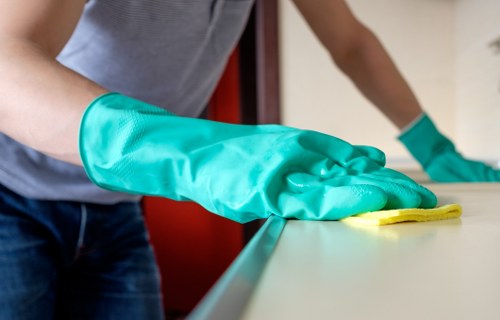 All team members are trained to identify hazards before work begins. This includes checking access routes, spotting trip risks, assessing ventilation, and confirming that equipment is in suitable condition. By carrying out these checks early, carpet cleaners can reduce the chance of accidents and work more efficiently throughout the job.
Risk assessments are completed whenever a new site, method, or cleaning challenge is involved. These assessments consider floor condition, the presence of children or pets, fragile furnishings, confined spaces, and whether specialist stain treatment is required. Carpet cleaning health and safety is not treated as a separate task; it is built into every stage of the service.
Only approved cleaning solutions and methods are used. Staff are instructed to read product instructions, wear any required protective equipment, and avoid mixing substances that may react dangerously. Particular attention is given to ventilation and correct dilution, helping to protect both workers and occupants from unnecessary exposure. Where possible, lower-risk products are selected to support a safer workplace.
 Electrical safety is another key priority. Machines are checked before use for damaged cables, loose fittings, and signs of wear. Equipment is used only in dry, appropriate conditions, and sockets are not overloaded. If a fault is discovered, the item is removed from service immediately. This careful approach supports safe operation across all W9 carpet cleaning work.
Manual handling procedures are followed whenever equipment, water containers, or furniture need to be moved. Staff are expected to use sensible lifting techniques, ask for support where loads are awkward, and avoid rushing. Good posture, planned movement, and suitable equipment help reduce strain and lower the risk of injury during carpet cleaning operations.
Slips and trips can happen easily when dealing with moisture, hoses, or moved items. To manage this, work areas are organised so that cables are routed safely, warning signs are used when surfaces are damp, and excess water is removed promptly. Clients and building users are informed when areas are temporarily unavailable, which helps maintain a safe flow of movement.
Emergency readiness is part of the policy. Staff must know how to respond to incidents such as spills, minor injuries, electrical faults, or unexpected fire alarms. First aid materials are kept available, and incidents are reported and reviewed so that lessons can be learned. Professional carpet cleaners should remain calm, act quickly, and follow the correct procedure if an urgent situation arises.
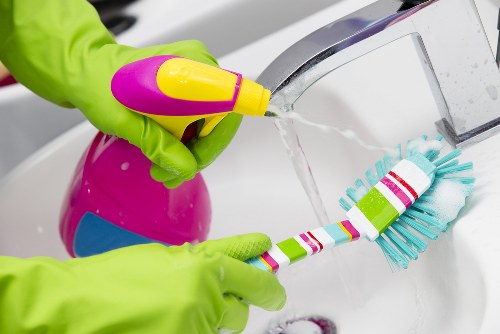 Personal protective equipment, when needed, is used correctly and maintained in good condition. This may include gloves, non-slip footwear, and eye protection depending on the task. Clothing should be suitable for the environment and allow workers to carry out duties safely and comfortably. Health and safety for carpet cleaners depends not only on equipment but also on consistent attention and good judgement.
Communication is essential in shared or occupied spaces. Before work begins, staff confirm any restrictions, fragile areas, or special instructions that may affect the service. They also take care to minimise disruption and to keep the working area tidy. These habits help maintain a respectful and controlled environment throughout each visit.
Supervisors are responsible for ensuring that safety measures are understood and applied. They monitor compliance, update procedures when necessary, and encourage reporting of near misses or unsafe conditions. A proactive safety culture supports reliable carpet cleaning company policy standards and helps prevent repeated risks from developing.
 This policy is reviewed regularly to ensure it remains effective, suitable, and aligned with current operational needs. Updates may be made following incidents, changes in equipment, new cleaning methods, or feedback from internal safety checks. W9 carpet cleaners recognise that safety is an ongoing responsibility, not a one-time document.
Every employee is expected to cooperate with this policy and to take personal responsibility for safe conduct. By following these rules, maintaining awareness, and respecting the working environment, carpet cleaning tasks can be completed to a high standard while protecting the wellbeing of everyone involved. A careful and consistent approach is the foundation of responsible carpet cleaning safety policy practice.