Communal Area Cleaning in W9
If you live, manage, or own property in W9, you already know that shared spaces shape the first impression of a building. Hallways, stairwells, lobbies, entrance mats, lifts, bin stores, and shared landings all see daily use, and they can quickly look tired without regular attention. Our Communal area Cleaning in W9 service is designed for local flats, mansion blocks, converted houses, apartment buildings, managed estates, and mixed-use properties that need reliable care in busy residential and commercial environments.
In a neighbourhood like W9, where properties vary from elegant period conversions to modern developments and busy commercial premises, communal areas need a cleaning approach that is practical, flexible, and respectful of the building’s character. Whether the space is used by residents, office tenants, visitors, contractors, or delivery staff, a clean shared area helps maintain comfort, safety, and pride in the property. Contact us today if you want a local team that understands the realities of access, traffic, and everyday wear in West London.
We focus on consistent standards, clear routines, and services that suit the way local buildings are actually used. That means more than a quick tidy. It means dusting handrails, cleaning entrance doors, removing marks from high-touch surfaces, keeping floors presentable, and dealing with the details that make a communal space feel well cared for. If you are comparing options for communal area cleaning W9, this page explains what is included, how it works, and why a local service can make a real difference.
Why communal area cleaning matters in W9

Shared spaces are used by many people every day, so dirt builds up faster than in a private home. Foot traffic brings in dust and debris from the street, pushchairs and shopping trolleys leave scuffs, and constant contact with doors, rails, switches, and call buttons means surfaces can look dull or unhygienic if they are not cleaned regularly. In W9, this is especially noticeable in properties close to busier roads, transport routes, and local retail parades where airborne dust and city grime can settle quickly.
A well-maintained communal area does more than improve appearance. It supports hygiene, helps reduce unpleasant odours, improves safety by keeping floors cleaner and less slippery, and gives residents and visitors confidence that the property is properly managed. For landlords and managing agents, regular cleaning can also help protect finishes, flooring, and fittings by preventing build-up that becomes harder to remove later. For residents, it makes everyday living more pleasant. For businesses, it creates a better experience for staff and clients.
In apartment blocks and converted houses, the communal area is often the first thing people see when they enter the building. Stairs, handrails, skirting boards, and lobby floors may not be glamorous, but they are the details that shape the whole feeling of the property. A local cleaning service that understands W9 properties can work around busy residents, avoid disruption, and keep a consistent standard across all shared zones.
What our communal area cleaning service includes
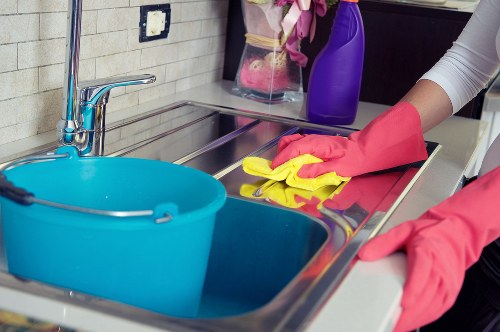
Every building is different, so the exact routine should match the property layout, footfall, and management expectations. Our cleaning plans are tailored to shared residential and commercial spaces in and around W9, from small blocks to larger developments. Typical tasks include a mix of visible cleaning, touchpoint hygiene, and detail work that keeps the area presentable between full deep cleans.
Common tasks can include:
- Cleaning entrance lobbies and reception-style areas
- Vacuuming and sweeping stairwells, hallways, and landings
- Mopping hard floors and cleaning floor edges
- Dusting skirting boards, ledges, bannisters, and handrails
- Wiping doors, push plates, light switches, and intercom panels
- Removing cobwebs and loose debris from corners and ceilings where reachable
- Cleaning lifts, lift buttons, mirrors, and surrounding touchpoints
- Refreshing bin stores and shared refuse areas where agreed
- Spot cleaning marks on walls, doors, and glass panels
- Cleaning internal windows, glass doors, and entrance glazing
Where required, we can also include extra attention to mats, stair nosings, communal noticeboards, concierge desks, and service areas used by contractors or staff. Strong results come from regular routines, not rushed visits, so we focus on practical, repeatable cleaning that fits the building’s schedule and the needs of the people who use it.
Properties we clean across W9

W9 includes a mix of residential and commercial properties, which means communal area cleaning needs to be adaptable. We regularly support buildings where shared access is part of daily life, and each setting brings its own challenges. Period conversions may have narrow staircases and older finishes. Purpose-built blocks may have lifts, long corridors, and multiple entrance points. Mixed-use properties may have shared hallways above shops or offices, where cleanliness must be maintained without disrupting business hours.
We commonly work with:
- Residential apartment blocks with shared entrances, corridors, and stairwells
- Converted houses with communal landings and internal stairs
- Mansion blocks needing careful attention to detail and regular upkeep
- Managed estates with larger shared areas and multiple access points
- Private developments where presentation and reliability are important
- Commercial premises with reception areas, shared corridors, and staff facilities
- Mixed-use buildings where residential and business traffic both affect the space
Because W9 covers well-connected parts of West London, access can vary from property to property. Some buildings have secure entry systems, some have limited loading or parking nearby, and others require timed visits to avoid school runs, commuter peaks, or resident movement. A local team can plan around these realities and keep things moving smoothly.
Typical shared spaces that benefit from regular cleaning
Not every building needs the same level of service every day, but most communal areas benefit from attention to the places people touch or pass through most often. These usually include entrances, letterbox areas, hallways, stairwells, lifts, bin rooms, and any shared internal corridors. In buildings with larger footprints, external-to-internal transition points such as porch areas or communal vestibules can also make a difference when cleaned properly.
How the service works
Booking communal area cleaning should feel straightforward. The aim is to create a routine that suits the building, not to force the building to fit a rigid schedule. We start by understanding the property type, the number of residents or users, the likely footfall, and any areas that need special care. That allows us to suggest a practical cleaning plan for your W9 property.
Our usual process is simple:
- Initial discussion about the building, access, and cleaning priorities
- Site review or information gathering to understand layout and usage
- Tailored cleaning plan based on frequency, tasks, and any special instructions
- Scheduled visits that fit resident routines or business hours where possible
- Regular maintenance with attention to consistency and detail
- Ongoing adjustments if the building’s use changes over time
This service is especially useful for managing agents and landlords who need dependable results without having to chase multiple contractors. It is also helpful for residents’ associations that want a cleaner, more presentable building without overcomplicating the arrangement. Clear communication and reliable scheduling are often just as important as the cleaning itself.
When the team understands the access arrangements, rubbish collection times, and the building’s routines, the work is less disruptive and more effective. That matters in W9, where many properties are occupied throughout the day and shared areas must remain usable at all times.
What a good cleaning schedule usually considers
A good plan should account for how quickly dirt appears, how many people use the building, and whether there are any recurring problem areas such as entrance marks, dusty steps, or bin room odours. It should also consider how often the floors need vacuuming or mopping, how frequently touchpoints should be sanitised, and whether seasonal changes mean more mud, salt, or leaf debris is coming inside.
Local knowledge matters in W9
Choosing a local team for communal area cleaning in W9 can make a practical difference. West London buildings often involve busy streets, limited parking, controlled entry, and residents with varied schedules. A local cleaner who knows the area is more likely to plan sensible visit times, work efficiently around access restrictions, and understand the type of finish expected in well-kept residential streets.
Nearby areas such as Maida Vale, Little Venice, Paddington, Westbourne, Kilburn, and nearby parts of Bayswater and St John’s Wood often share similar property types and usage patterns. That means a service team familiar with W9 is usually better prepared for common issues like tight staircases, older floor surfaces, shared entrance halls, and the need for quiet, respectful working in occupied buildings.
Local knowledge also helps with the practical side of the job. If loading spaces are limited, if entry must be coordinated with concierge staff, or if a building has particular restrictions for deliveries and equipment, a team used to the area can factor that in from the start. For customers, that often means fewer delays, less disruption, and a smoother service overall.
Why residents and managers value local service
People usually want three things from a shared-area cleaning provider: dependable attendance, good communication, and visible results. A local company is often better placed to respond quickly, maintain a regular presence, and adapt if the building’s needs change. That can be especially useful where there are seasonal pressures, tenant turnover, or a building undergoing refurbishments or repairs.
Benefits of regular communal cleaning
Regular communal cleaning brings benefits that go beyond appearance. It supports better everyday living, helps preserve the building, and reduces the likelihood that small issues become larger ones. In a well-used W9 property, these benefits are easy to notice over time.
- Better presentation: Shared entrances and corridors look cleaner and more welcoming.
- Improved hygiene: High-touch points receive regular attention.
- Safer floors: Dust, grit, and spill residue are cleared more often.
- Longer-lasting finishes: Floors, paintwork, and fixtures are less likely to suffer from build-up.
- Fewer complaints: Residents and users are less likely to raise concerns about unpleasant common areas.
- Stronger property standards: A tidy communal space supports a sense of care and management.
- Less stress for managers: A planned cleaning routine is easier to oversee than reactive cleaning.
For landlords, the difference can be important during lettings or inspections. For block managers, it helps keep expectations clear. For residents, it improves the daily experience of coming and going. And for commercial customers, it can support staff wellbeing and create a more professional first impression for visitors. This is why reliable communal cleaning is a practical investment, not an optional extra.
Seasonal and day-to-day challenges
Communal areas in W9 face different challenges depending on the season and the weather. In wet months, more mud and moisture get tracked in. In dry months, dust can settle quickly on ledges, skirting boards, and window sills. During colder periods, grit from outside can scratch floors if not removed promptly. A good cleaning plan keeps these seasonal changes under control before they affect the whole building.
What we can pay special attention to
Some communal spaces need extra care because they are heavily used or especially visible. If your building has problem areas, they can be built into the routine rather than handled only occasionally. That might mean extra cleaning around entrance glazing, more frequent lift cleaning, or regular attention to lower walls and stair rails where fingerprints and marks tend to build up.
Areas that often need focused care include:
- Entrance mats and surrounding floor edges
- Lift doors, call buttons, and internal lift panels
- Mailing and parcel areas
- Lower wall sections and skirting boards
- Shared bin rooms and refuse storage points
- Handrails, balustrades, and stairwell touchpoints
- Glass doors and panels near busy entrances
Some buildings also need a more discreet approach, especially where there are home-based businesses, private offices, or resident expectations around quiet cleaning. In those cases, we aim to work efficiently and respectfully. Attention to detail is often what separates an adequate clean from one that genuinely improves the building.
Flexible arrangements for different buildings
There is no single best way to clean every communal area. A small converted property may need a simple weekly visit, while a busier block may need more frequent maintenance and a broader checklist. We can adapt to the size of the building, the level of use, and the standards expected by the property manager or residents.
What affects the price of communal area cleaning?
We do not publish exact prices here because every building is different. However, customers often want to understand what influences the cost of communal area cleaning in W9. Pricing is usually shaped by the size of the area, the number of floors, how often the service is required, the level of detail needed, and any special access or security arrangements.
Common factors include:
- Number of floors, corridors, or staircases
- Presence of lifts, glass doors, or reception areas
- Frequency of visits needed each week
- Condition of the communal spaces before routine cleaning starts
- Whether bin rooms, external thresholds, or service areas are included
- Time restrictions, access procedures, or security requirements
- Any specialist tasks requested by the managing agent or residents
If you are budgeting for a shared building, it is usually worth comparing the value of regular maintenance with the cost of letting the area deteriorate. A well-kept building often needs less corrective work later. Request a free quote if you want a tailored estimate based on your property rather than a generic assumption.
Why value matters as much as cost
The cheapest option is not always the most practical if the result is inconsistent or if the cleaner is unfamiliar with the building’s access issues. Good value means the work is done properly, the right tasks are included, and the service is dependable enough that you do not need to keep repeating instructions. For communal spaces, that consistency is often what customers notice most.
Preparation checklist before your first visit
To help the service run smoothly, it is useful to prepare a few basics before the first cleaning visit. This makes access easier, avoids delays, and helps the cleaner focus on the work rather than on avoidable obstacles. It is especially useful in larger buildings or where multiple residents use the same entrance.
Here is a simple preparation checklist:
- Make sure access codes, keys, or entry instructions are confirmed in advance.
- Let residents or occupiers know about the cleaning schedule where appropriate.
- Remove any personal items, bicycles, prams, or loose belongings from shared walkways if possible.
- Highlight any fragile surfaces, special flooring, or problem areas that need care.
- Identify where bins, cleaning cupboards, or water access points are located if relevant.
- Tell us about any security procedures, concierge arrangements, or time restrictions.
- Share any priority tasks, such as lift interiors, entrance glass, or stairwell marks.
These small steps help ensure the service starts well and continues smoothly. They also reduce the risk of confusion in buildings with multiple stakeholders, such as residents, landlords, agents, and maintenance staff. Good preparation makes regular cleaning easier for everyone.
How residents can help day to day
Even with a professional cleaning schedule, residents can help keep communal areas in better condition by disposing of rubbish properly, avoiding storage of items in corridors, and reporting spills or damage quickly. In busy buildings, quick communication can prevent small messes becoming bigger problems.
Why choose a local company for W9 communal spaces
There are many reasons local customers prefer a nearby team for communal area cleaning in W9. A local company can usually respond faster, understand the traffic and access patterns of the area, and provide a more personal service. That matters in a neighbourhood where buildings are varied and expectations can be high.
Local service can also help with practical continuity. If the same team is familiar with your property, they are more likely to notice changes, recurring issues, or areas that need extra care. That can include a carpet section that needs more frequent vacuuming, a stairwell that gathers dust quickly, or a bin area that needs more regular attention because of building usage.
There is also reassurance in knowing the service is close enough to be responsive when plans change. If there is maintenance work, a delivery delay, or a temporary access issue, a local provider is often better placed to adjust the schedule sensibly rather than treating every building the same. This is one of the biggest advantages of choosing a local cleaning team in W9.
Suitable for both residential and commercial customers
Our communal area cleaning service is not limited to one type of client. It can be set up for private landlords, block management companies, resident associations, commercial property owners, and businesses with shared internal spaces. The aim is always the same: keep the communal environment clean, safe, and presentable without creating extra work for the customer.
Frequently asked questions
How often should communal areas be cleaned?
That depends on the building size, how many people use it, and how quickly dust or litter appears. Some smaller properties may only need weekly cleaning, while larger or busier buildings may benefit from more frequent visits.
Can you work around residents or office hours?
Yes. Cleaning can usually be arranged to fit the building’s routine, including quieter times of day where possible. This helps reduce disruption in occupied properties.
Do you clean lifts and touchpoints?
Yes, where included in the agreed plan. Lift interiors, buttons, handles, switches, and other high-contact surfaces are commonly part of communal area cleaning.
What if our building has difficult access or limited parking?
That is common in W9 and nearby parts of West London. A local team can plan around access limits, loading restrictions, and security arrangements more effectively.
Can the service include bin rooms or refuse areas?
Yes, if requested and suitable for the building. These areas often need regular attention because they can affect the smell and presentation of the whole property.
Is this service suitable for older converted buildings?
Absolutely. Period conversions and older properties often need careful cleaning around stair edges, painted surfaces, and narrow communal spaces.
How do I get started?
Simply request a free quote or contact us to discuss the building, the areas you want cleaned, and the schedule that works best. We can then shape the service around your property.
Book Communal Area Cleaning in W9
If your building’s shared spaces are starting to look tired, or if you want a better routine in place, now is a good time to arrange a local cleaning service. A clean entrance, tidy staircase, and well-kept hallway can make a real difference to everyday living and to the overall impression of the property. That is true for residential blocks, mixed-use buildings, managed estates, and commercial premises alike.
Our Communal area Cleaning in W9 service is built around practical local needs: dependable scheduling, careful attention to high-use areas, and a cleaning plan that fits your building rather than disrupting it. If you need a regular cleaner for a block of flats, a one-off reset before a change in occupancy, or a reliable maintenance routine for a shared property, we are ready to help.
Book your service now or contact us today to discuss your requirements. Whether you are a landlord, resident representative, property manager, or business owner, we can help keep the communal areas in W9 clean, presentable, and easier to manage.