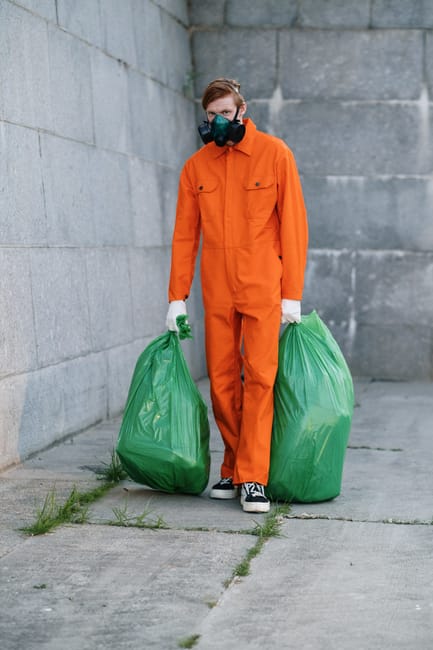
Westminster Council waste disposal rules for Maida Vale cleaners
If you clean homes, flats, offices, or shared spaces in Maida Vale, waste handling is not a small side note. It sits right in the middle of the job. Westminster Council waste disposal rules for Maida Vale cleaners affect how you bag rubbish, separate recyclables, move bulky items, and leave a property ready for the next person. Get it wrong and the whole clean can look polished on the surface but messy in the details. Get it right and you protect your client, your team, and your reputation.
This guide breaks the subject down in plain English. You will see how local waste expectations usually work, what cleaners should do before and after a job, where the common mistakes happen, and how to build a routine that is both tidy and compliant. It is practical stuff, really. The kind you wish someone had handed you before your first early-morning clean on a quiet Maida Vale street.
Table of Contents
- Why Westminster Council waste disposal rules for Maida Vale cleaners matters
- How Westminster Council waste disposal rules for Maida Vale cleaners works
- Key benefits and practical advantages
- Who this is for and when it makes sense
- Step-by-step guidance
- Expert tips for better results
- Common mistakes to avoid
- Tools, resources and recommendations
- Law, compliance, standards, or best practice
- Options, methods, or comparison table
- Case study or real-world example
- Practical checklist
- Conclusion
- Frequently asked questions
Why Westminster Council waste disposal rules for Maida Vale cleaners Matters
Waste rules matter because cleaning creates waste in lots of different forms. There is the obvious stuff: bin liners, dust, packaging, and disposables. Then there is the less obvious side: broken items, old textiles, food waste, bathroom waste, used chemicals, and the odd bag of mixed debris after a deep clean or end of tenancy job. In Maida Vale, where many properties are flats, mansion blocks, or managed buildings, one sloppy disposal choice can create complaints quickly.
For cleaners, this is not only about being tidy. It is about professionalism. Residents and managing agents notice when waste is left in the wrong place, when black bags are dumped beside a chute, or when recycling is mixed with general rubbish. A simple mistake can undo an otherwise excellent clean. To be fair, it is the sort of thing that gets remembered for the wrong reasons.
There is also a practical reason. Good waste handling helps you work faster and reduces the risk of contamination, smell, slips, and pest problems. No one wants to finish a job and find a bin store that looks, well, a bit grim. Cleaner waste routines make the whole property feel finished.
If you offer broader property services such as domestic cleaning or end of tenancy cleaning, waste handling becomes part of the service standard rather than an afterthought. That is especially true where clients expect a handover-ready result.
How Westminster Council waste disposal rules for Maida Vale cleaners Works
The exact operational details can change depending on property type, bin arrangements, and the council's current guidance, so the safest approach is to understand the structure rather than memorise one fixed rule. In general, a cleaner in Maida Vale needs to work with four basic waste streams in mind: general waste, recycling, food waste where applicable, and special or bulky waste that should not simply be put out with ordinary rubbish.
Most problems happen because cleaners assume every building works the same way. It does not. One block may have separate bins for paper, mixed recycling, and general waste; another may have a private collection system; a third may expect waste to be taken away by the resident or managing agent. In older streets and larger blocks around Maida Vale, access to bins can also be awkward. That changes the process quite a bit.
For a cleaner, the workflow usually looks like this:
- Identify the building's bin setup before the job starts.
- Separate reusable, recyclable, and general waste during cleaning rather than after the fact.
- Bag waste securely and keep liquids sealed or absorbed where needed.
- Move waste to the correct collection point only if you are authorised to do so.
- Leave the waste area clean, closed, and not overflowing.
If you are carrying out a more intensive job, such as deep cleaning or after builders cleaning, the volume and type of waste usually increases. That means planning matters more, not less. A little extra care at the start can save a headache at the end.
There is one simple question worth asking on every job: where is this waste supposed to go once I've collected it? If the answer is unclear, stop and ask. That pause is often the difference between a smooth visit and a complaint later.
Key Benefits and Practical Advantages
Following waste disposal rules properly brings benefits that go beyond compliance. Some are obvious. Some only show up once you have done enough jobs to know what can go wrong.
- Cleaner handovers: The property feels finished, not half-done.
- Fewer complaints: Residents are less likely to report smells, spills, or waste build-up.
- Better presentation: Clients notice the small things, especially in premium flats.
- Lower risk of contamination: Mixed waste and wet waste can quickly create hygiene issues.
- Smoother building access: Concierge teams and managing agents tend to cooperate more readily when cleaners are organised.
- Stronger team habits: A consistent waste process reduces confusion on busy days.
There is another advantage that people sometimes overlook: waste discipline makes the rest of the cleaning job easier. If rubbish is removed methodically, vacuuming, mopping, and surface work can happen without having to dodge bags, crumbs, or packaging. It sounds simple because it is simple. But simple things are often the ones that separate a decent service from a polished one.
For example, teams that provide office cleaning or commercial cleaning often build waste steps directly into their checklist because they know this saves time and improves consistency.
Who This Is For and When It Makes Sense
This guidance is for cleaners working in Maida Vale and the wider Westminster area, but also for anyone who manages the cleaning process there: solo cleaners, teams, landlords, letting agents, Airbnb hosts, building managers, and domestic clients who want the job done properly.
It matters most in these situations:
- End of tenancy cleans: lots of leftover packaging, forgotten items, and mixed waste.
- Move-in or move-out cleans: quick turnaround, less room for error.
- Deep cleans: dust, debris, sanitising waste, and occasional broken items.
- After builders jobs: plaster dust, rubble, protective wrap, and heavy bags.
- Block or communal area cleaning: shared bins, shared responsibility, and stricter expectations.
- Commercial or office work: recycling separation and secure disposal of confidential waste may come into play.
If you are doing a regular domestic visit, the process is still relevant, just usually lighter. Even a standard regular cleaning visit can produce waste that needs handling correctly. Think bathroom disposables, kitchen packaging, vacuum contents, and wipes. Small amounts add up.
And yes, in a shared building, one client's "just pop it by the bin" can become everyone's problem by evening. That is life in London flats, honestly.
Step-by-Step Guidance
Here is a practical way to work waste disposal into your cleaning routine without slowing everything down.
- Check the waste setup before starting. Ask where general waste, recycling, and any food waste should go. In a managed building, note whether the concierge or porter controls access.
- Bring the right bags and liners. Use durable bags that will not split halfway down a stairwell. Wet waste needs extra caution.
- Separate as you go. Do not wait until the end of the job. Keep recycling separate from general waste during the clean, if the property setup allows it.
- Contain sharp or awkward items. Broken glass, razors, and hard plastic edges should be wrapped securely before disposal.
- Handle liquid waste carefully. Never pour unknown liquids into a bin or sink without considering the surface, odour, and safety impact. If in doubt, keep it sealed for client instruction.
- Keep the waste route clear. Plan the path from the property to the bin store or collection point before moving bags. It avoids messy trips through common areas.
- Finish the waste area as part of the job. Close lids, wipe drips, and remove stray debris around the bin store if it is part of your work scope.
If you are dealing with bulky waste, damaged furnishings, or a room full of unwanted items, the situation may need a different service altogether. In those cases, a specialist house clearance approach may be more suitable than normal cleaning waste handling.
Sometimes the best decision is not glamorous at all. It is simply the correct one.
Expert Tips for Better Results
After enough jobs, you start to see patterns. The same mistakes crop up again and again. A few small habits prevent most of them.
- Carry a "waste first" mindset. Before you start polishing surfaces, think about what will be thrown away and where it will go.
- Use colour-coded or clearly separated bags if your team is large. It sounds basic, but it reduces confusion in busy jobs.
- Keep a spare liner in the van. One split bag is all it takes to make a staircase job unpleasant.
- Ask about bin collection day. In some buildings, timing matters because overflowing bins can lead to immediate complaints.
- Document unusual waste situations. A quick photo and note can protect you if a client later disputes what was left behind.
- Train staff on what not to mix. Recyclables mixed with food waste, or cleaning cloths mixed with food scraps, can create avoidable issues.
For teams that also offer specialist work such as steam carpet cleaning or upholstery cleaning, waste planning becomes even more important because damp materials, extracted soil, and packaging all need sensible handling.
A small human note here: some cleaners try to be too clever with waste. They overthink every bin and end up wasting time. Keep it calm. Keep it practical. That usually wins.
Common Mistakes to Avoid
Most waste-related problems are boringly ordinary. That is what makes them common.
- Dumping everything in one bag: This creates sorting problems and makes recycling impossible.
- Leaving bags beside bins: It looks untidy and can breach building rules.
- Ignoring wet waste: Damp liners split, smell, and attract pests faster than people expect.
- Assuming access is automatic: Not every cleaner is allowed into every bin area.
- Using client bins for service waste without permission: This can cause disputes, especially in shared blocks.
- Forgetting about odour: Food residue, pet waste, and damp cloths can make a property feel unclean even after a good clean.
- Not checking special waste: Batteries, bulbs, chemicals, and broken electronics often need separate handling.
The biggest mistake of all is treating waste as an afterthought. A property can gleam in the morning light and still feel wrong if the waste is not managed well. You know it when you see it.
If your job includes stain-heavy soft furnishings or pet-related mess, services like pet stain odour removal or stain removal should also be planned with disposal in mind, because contaminated cloths and pads need safe handling.
Tools, Resources and Recommendations
You do not need a truck full of gadgets to manage waste well. A few solid basics are enough.
| Tool or resource | Why it helps | Best use |
|---|---|---|
| Heavy-duty bin bags | Reduces splits and leaks | General waste, damp cloths, mixed light debris |
| Reusable caddy or tote | Helps separate small recyclables and waste items | Internal room-to-room cleaning |
| Disposable gloves | Improves hygiene and handling confidence | Bathroom waste, dirty bins, shared areas |
| Absorbent pads or paper | Controls small spills before bagging | Wet waste and leak prevention |
| Job notes or digital checklist | Keeps waste rules consistent between visits | Repeat clients, managed properties, team work |
On the service side, it can help to have clear client-facing information about service standards. Pages such as health and safety policy, insurance and safety, and recycling and sustainability support trust because they show that waste and safety are taken seriously, not brushed aside.
For jobs where waste handling may be part of a larger booking, pricing and quotes helps set expectations clearly. And if a client wants to understand service terms before booking, terms and conditions are worth reading, even if nobody admits that out loud.
Law, Compliance, Standards, or Best Practice
Waste disposal in the UK is governed by a mix of legal duties, environmental expectations, and site-specific rules. For cleaners, the safest approach is to follow the relevant council instructions, client building rules, and accepted duty-of-care practices for waste handling. Because the local arrangements can change, it is wise not to rely on memory alone.
In plain terms, best practice usually means this:
- Do not leave waste where it could obstruct shared access routes.
- Do not mix recyclable material with general waste if separation is expected.
- Do not dispose of special waste in ordinary bins unless you are certain it is allowed.
- Do not place bags out for collection in a way that attracts vermin or creates a hazard.
- Keep records or notes when waste is unusual, bulky, or disputed.
For cleaners working in commercial settings, the bar is often higher. Office buildings and managed sites may expect clear rubbish separation, discretion around confidential waste, and tidier shared waste rooms. That is where a structured process helps more than any one-off fix.
If you also clean shared residential spaces, a service like communal area cleaning can fit neatly with the waste routine because it covers lobbies, landings, and access zones where rubbish often gets noticed first.
As ever, when a site has its own rules, those rules matter. The principle is straightforward: the cleaner should not improvise waste disposal in a shared building. Better to ask, confirm, and proceed carefully.
Options, Methods, or Comparison Table
Different jobs call for different waste-handling methods. The right choice depends on volume, access, and how much of the waste is actually yours to remove.
| Method | Best for | Pros | Watch-outs |
|---|---|---|---|
| Bag and place in authorised building bins | Small domestic jobs | Simple, quick, low disruption | Only works if access and permission are clear |
| Separate and store for client instruction | Mixed or uncertain waste | Reduces mistakes and disputes | Needs clear communication at the end of the job |
| Bulk removal through a clearance service | Large declutters and abandoned items | Handles volume properly | Usually beyond standard cleaning scope |
| Building-managed waste point drop-off | Flats and managed blocks | Aligned with site rules | Access restrictions can slow the job |
There is no single "best" method for every Maida Vale property. A one-bedroom flat with a few bin liners is not the same as a build-to-rent block with a service yard and mixed recycling bays. The trick is choosing the least risky method that still keeps the job moving.
Case Study or Real-World Example
A cleaner arrives at a Maida Vale flat on a Friday morning after a short tenancy. The property looks decent at first glance, but there is a pile of mixed waste in the kitchen: food packaging, a broken drying rack, bathroom disposables, and a couple of damp cloths from a rushed last clean. The block has shared bins in a locked area, and the concierge is not on duty yet.
Instead of forcing the issue, the cleaner separates the waste into dry recycling and general rubbish, wraps the broken metal rack safely, and keeps the damp items isolated. The client is asked to confirm whether the bulky item should be removed separately or left for them to deal with. The cleaner then finishes the surfaces, checks under the sink for stray debris, and leaves a brief note about the waste situation. Nothing dramatic. Just tidy, calm, and sensible.
The result? No complaint from the managing agent, no mixed waste in the wrong bin, and no last-minute panic. It is a small example, but it shows the pattern clearly. Waste planning is often the quiet reason a job goes smoothly.
Practical Checklist
Use this before leaving any Maida Vale cleaning job.
- Have I checked which bins or disposal points are allowed?
- Have I separated recycling from general waste where required?
- Are all bags sealed, stable, and easy to move safely?
- Have I handled wet or smelly waste in a way that prevents leaks?
- Have I kept sharp or breakable items wrapped securely?
- Have I confirmed what to do with bulky or unusual items?
- Have I left shared areas clean, with no stray debris near the bins?
- Have I noted any issue that may need client follow-up?
If you can tick all of those, you are usually in good shape. If not, pause for a minute and sort it. It is much easier than coming back to a message that starts, "Sorry to be a nuisance, but..."
Get a free quote today and see how much you can save.
Conclusion
Westminster Council waste disposal rules for Maida Vale cleaners are not just a box-ticking exercise. They shape how professional a job feels, how safe it is, and how likely it is that the client will remember your work for the right reasons. Waste handling touches presentation, hygiene, access, communication, and trust all at once.
The best cleaners do not treat waste as a separate task. They build it into the rhythm of the job from the start. That means checking access, separating materials early, handling awkward items properly, and leaving shared spaces better than they found them. Simple, yes. But simple done well is often what people notice most.
If you keep your process calm, clear, and consistent, Maida Vale jobs become easier to manage and easier to recommend. And that, truth be told, is what most cleaners want anyway: less drama, better results, and a reputation that holds up after the door closes.
Frequently Asked Questions
What are the basic Westminster Council waste disposal rules for Maida Vale cleaners?
At a practical level, cleaners should follow the property's bin setup, separate waste where required, and avoid leaving rubbish in shared areas. The exact arrangements depend on the building and current local guidance, so always check the site rules before disposing of anything.
Can a cleaner use the client's bins for waste from a cleaning job?
Only if the client or building rules allow it. In shared buildings, waste can become a point of friction quickly, so it is better to confirm permission rather than assume. That small conversation can prevent a complaint later.
What should I do with bulky items found during a clean?
Do not force bulky items into ordinary bins. Separate them, record them if needed, and ask the client how they want them handled. If the job has turned into a declutter or clearance situation, a dedicated clearance approach may be more suitable.
Do cleaners need to separate recycling from general waste in Maida Vale?
Where the building or client arrangement expects recycling separation, yes. That is usually the sensible and professional choice. Mixing waste makes disposal harder and can create avoidable issues in managed properties.
How should cleaners handle wet or smelly waste?
Wet or smelly waste should be contained carefully in strong bags and kept separate from dry rubbish where possible. Use absorbent material if needed, and avoid letting leaks spread into the property or common areas. Nobody enjoys that smell drifting into the hallway.
What waste is usually classed as special or awkward?
Batteries, bulbs, broken glass, old chemicals, electronic items, and contaminated materials often need special care. If you are unsure, do not guess. Keep them separate and ask the client or building manager what is expected.
Are cleaners responsible for removing all rubbish after an end of tenancy clean?
Not always. It depends on the agreed scope of work. Some end of tenancy jobs include bagging and removal of basic waste, while others only require the property to be cleared into the designated bin area. Clear agreement at booking stage matters a lot here.
What is the biggest mistake cleaners make with waste disposal?
The biggest mistake is treating all waste the same. Once recycling, general rubbish, wet waste, and bulky items get mixed together, problems multiply. A little separation at the start saves far more time than sorting everything later.
How can a cleaning team stay consistent across different Maida Vale properties?
Use a repeatable checklist. Note the bin location, access method, collection rules, and any unusual disposal instructions before starting. Consistency beats memory, especially when you are moving between blocks and house visits in the same morning.
Does waste handling matter for regular domestic cleaning too?
Yes, even if the volume is smaller. Bin liners, bathroom waste, kitchen packaging, and vacuum contents still need proper handling. Good habits in routine cleaning make larger jobs much easier later on.
Should cleaners document waste issues?
Absolutely, when the waste situation is unusual or could be disputed. A short note or photo can be useful if a client questions what was left behind or how something was handled. It keeps things clear and fair.
Where do specialist services fit into waste planning?
Specialist services such as deep cleans, after builders cleaning, office cleaning, and carpet or upholstery work often create more waste than a normal visit. That means more planning, stronger bags, and a clearer disposal route. The more complex the job, the more important waste control becomes.