Rug cleaning Little Venice Maida Vale
Posted on 02/06/2026
Rug cleaning Little Venice Maida Vale: a practical guide to cleaner, fresher rugs at home
If you live in Little Venice or nearby Maida Vale, you already know how quickly a good rug can become the centre of a room. It catches the eye, softens the space, and quietly hides the crumbs, dust, and day-to-day life that London homes collect so easily. But once a rug starts to look tired, dull, or a bit whiffy after wet weather, it stops being a feature and starts feeling like a problem.
This guide to Rug cleaning Little Venice Maida Vale explains how professional rug cleaning works, what actually matters when choosing a method, and how to avoid the common mistakes that damage fibres or set stains for good. Whether you have a wool runner in a narrow hallway, a Persian-style rug under the coffee table, or a delicate piece that you would rather not gamble with, you will find practical advice here. And yes, we will keep it grounded. No fluff.
For readers looking at broader home care in the area, it can also help to explore domestic cleaning in Maida Vale or the wider carpet cleaning W9 service for a fuller picture of what professional textile care can cover.
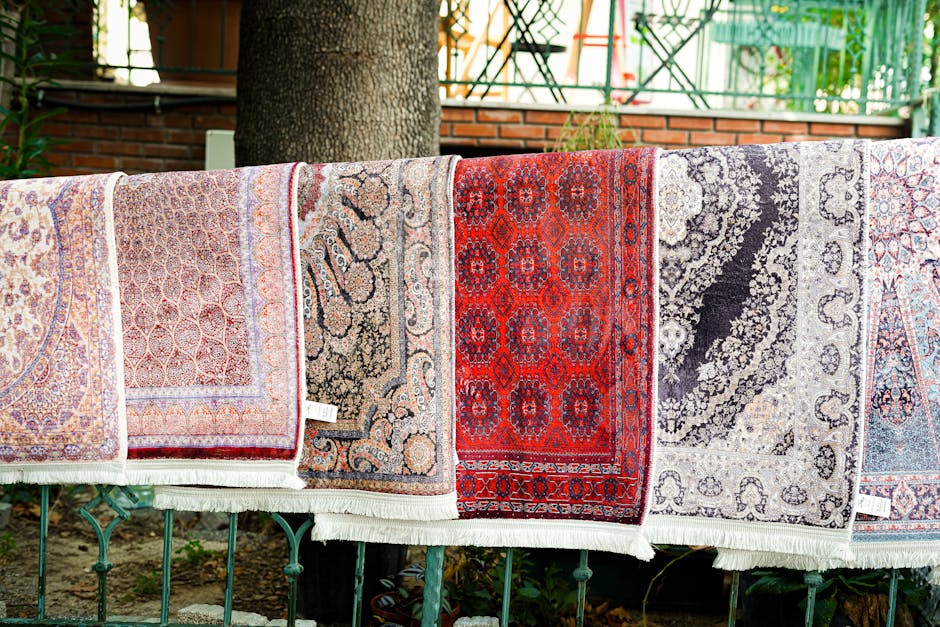
Why Rug cleaning Little Venice Maida Vale Matters
Rugs do a lot of work in a home, especially in busy London properties where people come and go all day. In Little Venice and Maida Vale, that often means hallways with steady foot traffic, flats with limited drying space, and elegant living rooms where a rug has to look good while coping with real life. Dust settles. Grit comes in on shoes. Spilled tea happens. It is never just one thing.
Regular rug cleaning matters because surface vacuuming only goes so far. Deep-seated dirt works its way into the pile and gradually wears fibres down. Stains can oxidise over time, and odours can linger even after the visible mark has faded. If a rug is made from wool, silk, viscose, cotton, or a mixed fibre construction, the wrong cleaning approach can flatten the pile, distort the dyes, or leave a patchy finish that looks worse than the original problem.
There is also the local angle. Flats around Warwick Avenue, the canals, and the tree-lined streets nearby often have beautiful interiors but not always ideal conditions for DIY rug washing. Limited outdoor space, radiator drying, and older flooring can make the process tricky. A rug can stay damp for too long, and that is where mustiness creeps in. Truth be told, that is the part most people regret later.
If you are already thinking about a broader refresh, the area guide Experience the Magic of Maida Vale offers a nice look at the local setting, while carpet cleaning near Warwick Avenue station can help you understand the wider textile-care picture.
How Rug cleaning Little Venice Maida Vale Works
Professional rug cleaning is usually a careful, staged process rather than a single wash. That is a good thing. Rugs need assessment before any water, detergent, or machine touches them. A proper clean starts with fibre identification, dye testing, and a look at the backing, fringe, and any signs of damage. If a rug has previous repairs or colour instability, that changes the approach straight away.
In practical terms, most good rug cleaning jobs follow a sequence like this:
- Inspection - identify material, weave, age, stains, and wear patterns.
- Dry soil removal - remove loose grit and dust before moisture is introduced.
- Pre-treatment - apply suitable solutions to spots, traffic lanes, and greasy areas.
- Main cleaning - use the right method for the rug, whether low-moisture, hand-wash, or controlled extraction.
- Rinsing or residue removal - leave the fibres as clean as possible, not sticky.
- Drying - dry thoroughly in a controlled way to avoid browning, rippling, or odour.
- Finishing - groom the pile, check edges, and re-inspect once dry.
That sequence sounds simple, but the skill is in the judgement. For instance, a wool rug may respond well to a careful wash, while a delicate viscose rug can water-spot almost instantly. Some synthetics tolerate more aggressive cleaning, but even then, over-wetting or residue can cause the rug to look limp and attract dirt again. Nobody wants a clean rug that re-soils faster than the old one. Bit of a nuisance, that.
In many homes, rug cleaning is linked to upholstery and general textile care. If you are comparing a sofa clean with a rug refresh, it is worth looking at upholstery cleaning in Maida Vale because the same principles around fabric testing and safe treatment apply.
Key Benefits and Practical Advantages
There is the obvious benefit first: a cleaner rug looks better. But a decent clean gives you more than that. It can change the feel of a room, reduce stale odours, and help keep fibres in better condition for longer. If you have ever walked into a room and thought, "why does this place suddenly feel fresher?", a clean rug is often part of the answer.
Here are the main advantages people notice:
- Better appearance - colours look brighter, patterns read more clearly, and the pile regains some life.
- Improved hygiene - dust, allergens, pollen, and trapped debris are removed more effectively than with vacuuming alone.
- Odour control - food smells, pet odours, and dampness are tackled at the source rather than masked.
- Longer rug life - embedded grit acts like sandpaper; removing it reduces wear.
- Safer maintenance - professional inspection can spot small repairs, edge fraying, or moth activity early.
There is also a practical property angle. If you are preparing a home for guests, letting, or a sale, the rug is one of those small details that quietly shapes first impressions. A freshly cleaned rug can make a room feel better cared for without the drama of a full redesign. That matters in a polished area like Maida Vale, where presentation tends to count.
For landlords, tenants, and property managers, rug care can sit alongside move-out cleaning and end-of-tenancy expectations. If that sounds familiar, the page on end of tenancy cleaning W9 and the local End of Tenancy Cleaning Maida Vale W9 page are both useful next reads.
Who This Is For and When It Makes Sense
Rug cleaning in Little Venice and Maida Vale makes sense for more people than you might think. It is not only for luxury homes or expensive antique pieces. In fact, some of the most common requests come from everyday households dealing with a rug that simply needs a proper reset.
You are probably in the right place if you are:
- living in a flat or maisonette with limited drying space
- managing a busy family home with regular spills and foot traffic
- renting and need the property to look presentable before inspection
- owning a decorative rug that has lost its colour depth
- dealing with pet hair, paw marks, or occasional accidents
- noticing an odour you cannot quite identify, which is always annoying
- preparing a room for guests, photographs, or a property viewing
Sometimes the decision is very practical. You do not need to wait until a rug looks truly bad. If the pile feels gritty underfoot, if the borders are dulling, or if vacuuming no longer changes much, that is usually the point to act. With some fibres, waiting just makes the job harder and the result less even.
It is also sensible to include rug cleaning in a broader home-care plan. A lot of residents pair it with house cleaning in Maida Vale or office cleaning in W9 if the rug is in a shared or work space. The aim is simple: fewer neglected corners, fewer lingering smells, less stress.
Step-by-Step Guidance
If you want the process to go smoothly, whether you are booking a professional service or checking your own care routine, it helps to think in steps. Not fancy steps. Just sensible ones.
1. Identify the rug before cleaning begins
Look for labels, weave details, backing type, and visible damage. A hand-knotted wool rug behaves very differently from a tufted synthetic one. If you do not know the fibre, treat it as delicate until proven otherwise. That sounds cautious because, well, it should be.
2. Test for colour stability
Before any spot treatment, a small inconspicuous area should be tested. This is especially important for bright dyes, older pieces, or rugs with decorative borders. Colour bleed is one of those mistakes that turns a routine job into a headache very quickly.
3. Remove dry soil first
Dry particles are the enemy. They scratch fibres and interfere with cleaning solutions. A deep vacuum, plus gentle agitation where appropriate, removes much of the embedded grit before moisture is added.
4. Treat stains properly, not aggressively
Different stains behave differently. Food spills, oils, pet marks, and soil need different solutions. Rubbing hard usually spreads the stain or damages the pile. Blotting, dwell time, and the right chemistry generally do more good. It is less dramatic, but far more effective.
5. Clean with the right method
The chosen method should suit the rug, not just the stain. Controlled hot water extraction, low-moisture cleaning, immersion washing, or hand-washing may all be appropriate depending on the construction. The method is only "best" if it protects the rug as well as cleaning it.
6. Dry thoroughly and evenly
Drying is where many DIY attempts go sideways. A rug that dries too slowly can develop odour, browning, or rippling. A professional will usually use airflow, elevation, and time to keep the process controlled. Don't rush this part. Really, don't.
7. Finish and review
Once dry, the rug should be checked for residue, remaining spots, edge curl, and any missed areas. Pile grooming helps restore the feel underfoot. If the rug still looks tired after cleaning, that may point to fibre wear rather than dirt, and that distinction matters.
Expert Tips for Better Results
Here is the part that saves people money, time, and a bit of regret.
Vacuum regularly, but gently. Use a suction-only setting if the rug is delicate. On fringed rugs, avoid aggressive brushing at the edges because the fringe is often the first thing to fray.
Deal with spills early. The first few minutes matter. Blot, do not scrub. Keep heat away from protein-based stains like milk or pet mess. Heat can set them in. Small detail, big difference.
Rotate the rug. In sunny rooms or under furniture, uneven fading and wear happen quietly. A quick rotation every so often keeps the wear pattern more balanced.
Use underlay where appropriate. A quality pad can reduce slipping, cushion fibres, and help a rug keep its shape. It is one of the most underappreciated little upgrades, to be fair.
Ask about drying conditions. If a provider cannot explain how they dry rugs safely, that is a useful warning sign. Proper airflow and controlled drying are not optional extras.
Think about the whole room. If the rug has been exposed to dust from nearby upholstery, pet hair from soft furnishings, or general household build-up, cleaning only the rug may help but not fully solve the issue. For a more joined-up result, some people combine rug care with the wider services overview to see what else can be tackled at the same time.
Choose the least harsh method that still solves the problem. That is the sweet spot. Not minimalist for the sake of it, not overly wet for the sake of speed. Just correct.

Common Mistakes to Avoid
Most rug damage does not come from one huge disaster. It comes from a series of small, well-meant mistakes. Annoying, but true.
- Using too much water - excess moisture can wick stains to the surface, weaken backing, and slow drying.
- Scrubbing stains hard - this distorts the pile and can make the stain spread wider.
- Applying random products - household stain removers are not always suitable for wool, silk, or dyed fibres.
- Ignoring the fringe - fringes often trap soil and can look shabby even when the body of the rug is clean.
- Leaving it damp in a closed room - this is how that stale, slightly earthy smell appears.
- Assuming all rugs can be cleaned the same way - they really cannot.
- Skipping a test patch - because one bad colour reaction can be the end of the nice-looking bit.
A subtle mistake many people make is over-cleaning a rug that only needs maintenance. If a rug is lightly soiled, too much treatment can be more disruptive than the original dirt. There is a bit of judgement involved here, and that judgement is what separates routine cleaning from a clean, balanced result.
Tools, Resources and Recommendations
If you are assessing a rug cleaning service or improving your own maintenance routine, these are the kinds of tools and resources worth paying attention to:
- HEPA or high-filtration vacuuming for regular dry soil removal
- pH-appropriate spot treatments matched to the rug fibre
- Microfibre cloths and white towels for blotting and transfer testing
- Air movers or good ventilation to support drying without overheating the fibres
- Rug underlay to reduce movement and wear
- Fibre identification guidance from a reliable cleaning provider
For people who prefer a lower-impact approach, it is also reasonable to ask about eco-conscious cleaning solutions. If that is important to you, take a look at eco-friendly cleaning options for a sense of how gentler methods can fit into a broader care plan without turning the place into a chemistry experiment. Mild joke, but you get the idea.
If you are interested in the standards and ethos behind a provider, a page like Structure - a tradition of excellence can help you understand how a business frames quality and consistency. That matters, because rug cleaning is as much about process as equipment.
Law, Compliance, Standards, or Best Practice
Rug cleaning is not usually a heavily regulated activity in the way some industries are, but good practice still matters. In the UK, customers should reasonably expect a service to act carefully with property, use products responsibly, and provide clear information about what is included. If a rug is valuable, antique, or unusually delicate, it is sensible for the provider to discuss limitations rather than promise miracles.
From a trust perspective, a professional cleaner should be able to explain:
- what method they plan to use and why
- how they handle colour tests and delicate fibres
- how they manage drying and odour prevention
- what happens if pre-existing damage is found
- how quotes, payment, and any exclusions are handled
It is also worth checking the provider's public-facing policies. The pages on health and safety, insurance and safety, terms and conditions, and payment and security help reassure readers that the company takes the basics seriously. And that is not boring. It is comforting.
If you are comparing options, it is sensible to ask whether cleaning is carried out in-home or off-site, whether fringe and edge protection are included, and whether any specialty rugs require a different handling method. A cautious, honest answer is a good sign.
Options, Methods, or Comparison Table
Different rugs need different treatments. Here is a simple comparison to make the choice clearer.
| Method | Best for | Strengths | Watch-outs |
|---|---|---|---|
| Vacuum and maintenance clean | Light soil, routine care, between deeper cleans | Fast, low-risk, keeps fibres healthier | Will not remove embedded stains or odour |
| Low-moisture cleaning | Some synthetics and lightly soiled rugs | Quicker drying, less water exposure | May not suit delicate dyes or heavy contamination |
| Controlled wash / immersion | Many wool, Oriental-style, and thicker rugs when professionally assessed | Excellent soil removal, deeper refresh | Needs skilled handling and proper drying |
| Spot treatment only | Small isolated marks on otherwise clean rugs | Targeted and efficient | Can leave tide marks if not blended properly |
| DIY shampooing | Occasional use on durable rugs if care is taken | Accessible and low upfront cost | High risk of over-wetting, residue, and colour issues |
For most households, the decision is not about picking the "strongest" method. It is about choosing the safest method that genuinely solves the problem. Stronger is not always better. Sometimes it just means wetter and slower.
Case Study or Real-World Example
A common scenario in Maida Vale goes something like this. A family rug in a sitting room starts to look grey along the main walking route. Nothing dramatic. Just a slow, tired fade. There is a faint coffee mark near the edge and a bit of pet odour that only shows up when the heating is on. Easy to ignore for a while, until one evening you notice the whole room seems dimmer.
In that sort of case, the right approach is not panic-cleaning. The rug would first be assessed for fibre type and colour stability. Then dry soil would be removed, the coffee mark pre-treated, and the whole piece cleaned with a method suited to the construction. If the rug was wool, the drying stage would need careful airflow and time. If it was synthetic, the process might be quicker, but still controlled. Afterwards, the rug would be groomed and checked once fully dry.
The real improvement is not only visual. The room feels more open again. The carpet runner by the door no longer drags the eye down. The odour is gone, or at least much reduced. Small win, but a real one.
That is the kind of result people often want when they search for rug cleaning in Little Venice and Maida Vale: not just a cleaner rug, but a room that feels looked after again.
Practical Checklist
Use this quick checklist before booking a service or starting any care routine yourself.
- Identify the rug fibre if you can.
- Check for loose threads, edge wear, or existing repairs.
- Take note of stains, odours, and high-traffic areas.
- Ask whether the cleaning method suits the rug type.
- Confirm how drying will be handled.
- Ask about colour testing and pre-treatment.
- Discuss whether the rug should be cleaned on-site or off-site.
- Make sure quotes are clear and include any likely extras.
- Prepare space for drying or collection if needed.
- After cleaning, inspect the rug in natural light if possible.
Expert summary: the best rug cleaning outcome usually comes from three things working together - proper fibre identification, careful stain treatment, and controlled drying. Miss one of those, and the result can look fine at first, then disappoint later.
Conclusion
Good rug care is part cleaning, part preservation. In Little Venice and Maida Vale, where homes often combine style with genuine everyday use, the right approach to rug cleaning protects both the look of a room and the life of the rug itself. A careful clean can brighten a space, reduce odours, and bring a little calm back into busy domestic life. Not glamorous. Just useful. And often, that is exactly what people need.
If your rug has lost its freshness, if a stain has been bothering you for weeks, or if you simply want expert help without risking damage, the next step is straightforward. Speak to a local specialist, ask about the method, and make sure the plan fits the rug rather than forcing the rug to fit the plan.
Get a free quote today and see how much you can save.
And if you are comparing related home services, you may also find it helpful to read about about us, pricing and quotes, or the wider local context in Maida Vale living conditions and local advice. Little details, but they help. They really do.